Food quality assurance is often discussed in terms of standards, certifications, and compliance. But in a real manufacturing environment, it’s much more practical than that.
Quality assurance determines whether a product can be produced consistently, whether it meets expectations across every batch, and whether it can scale without introducing risk. In other words, it’s not just about food safety; it’s about whether a product actually works in production.
For brands developing frozen products, understanding how food quality assurance shows up on the production floor can make the difference between a smooth launch and ongoing production challenges.
What Food Quality Assurance Looks Like in Production
In manufacturing, quality assurance is defined by how well a product holds up under real production conditions.
As production scales, small variables can become more pronounced. A formulation that forms cleanly in a small batch may behave differently when it runs continuously through production equipment. For instance, mixing larger batches can introduce air or shift the distribution of ingredients.
Quality assurance exists to control how those variables show up in production. It defines how processes run, how equipment is calibrated, and how teams respond when something starts to shift. When those elements are aligned, production runs are stable and predictable. When they’re not, inconsistencies start to show up quickly.
At its core, food quality assurance is what allows a product to move from concept into consistent, repeatable production. But consistency at scale depends on how a product behaves in real manufacturing conditions, and that’s where issues begin to surface.
Where Quality Issues Actually Come From
Most quality issues aren’t caused by a lack of standards but from how products behave once they move into production.
Scaling is one of the biggest factors. A recipe that performs well in a small batch doesn’t always translate directly to larger volumes. Mixing behaves differently, ingredient distribution can shift, and production equipment introduces variables that aren’t present during development.
That’s where issues start to surface. Common examples include:
- Mix consistency issues — too thick or too loose to form correctly
- Air incorporation in larger batches — affecting texture and structure
- Uneven ingredient distribution — leading to flavor inconsistency
- Equipment interaction — where products behave differently on production lines than in small-scale prep
None of these issues are always obvious early on, but they become clear once a product runs in a real manufacturing environment. In fact, it’s not uncommon for a product to perform well in development and still require adjustment in production. In many cases, those challenges come down to how well the product aligns with the capabilities of your chosen manufacturing partner.
Why Not Every Product Works in Every Facility
Manufacturing environments (especially in food production) are built around specific processes, equipment, and product types. That specialization is what allows facilities to operate efficiently and maintain consistent output.
It also means not every product is a fit for every manufacturer.
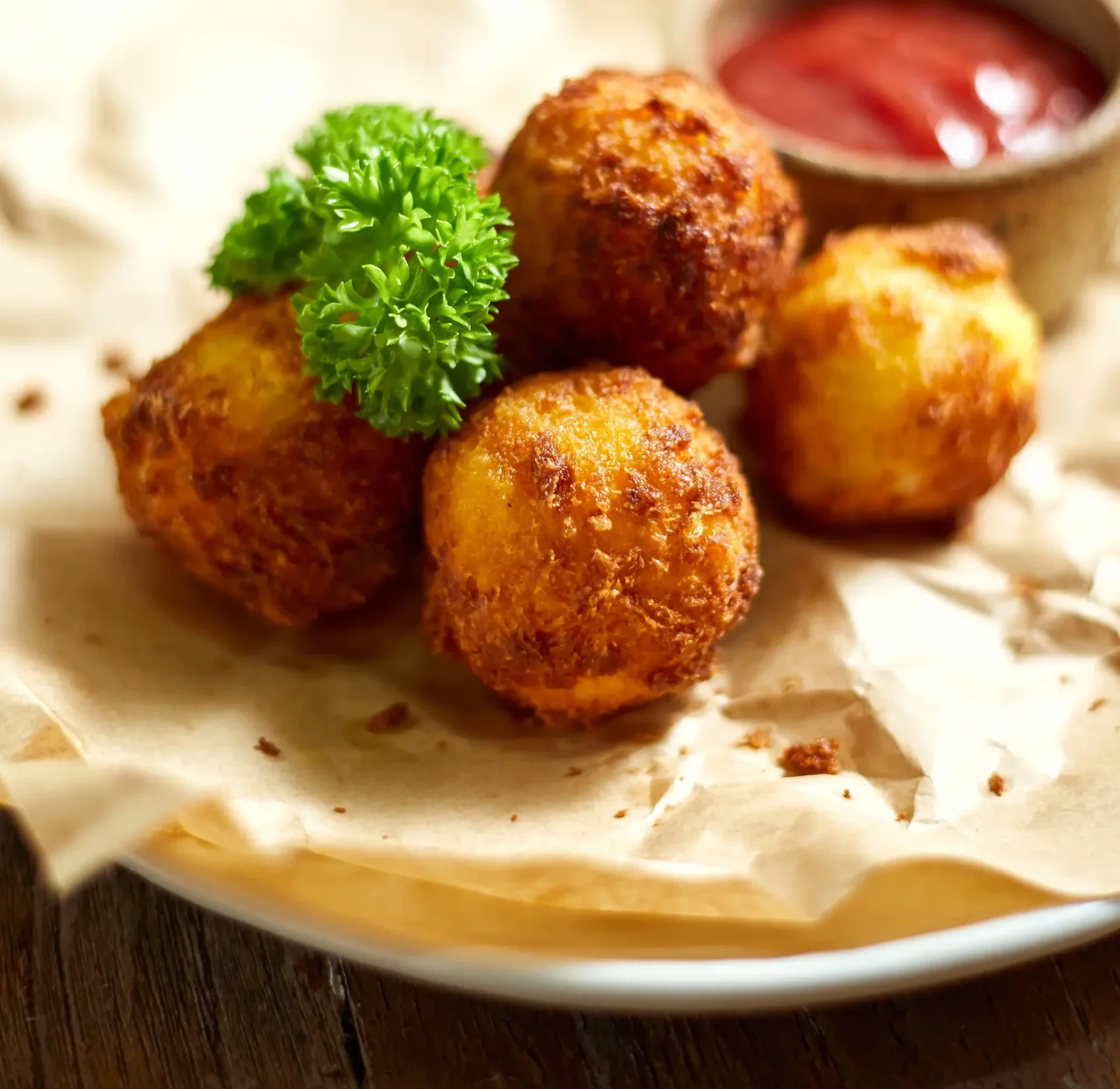
Differences in product format, allergen requirements, and cooking methods all play a role. A facility designed for formed, fried products (like Ascot Valley) will operate very differently from one built for multi-component meals or baked goods. Equipment, process flow, and quality controls are all aligned to specific specializations.
Because of this, fit between the product and the facility is not just an operational detail, it’s a quality consideration. When that alignment is there, production tends to run smoothly. When it’s not, issues are more likely to appear during scaling or full production.
How Food Quality Assurance Shows Up on the Production Floor
Quality assurance becomes visible in how production is structured and managed day to day. On the production floor, it typically shows up through:
- Process control — defined steps that are followed consistently from batch to batch, creating predictable outputs
- Batch consistency — the ability to produce the same result every time, using the same inputs
- Traceability — clear documentation of ingredients, production conditions, and outcomes to track and resolve issues
- Team experience — operators who know what to watch for and how to respond when something shifts
When these elements are in place, production runs are more stable, disruptions are minimized, and output becomes far more predictable.
The Role of Certifications in Food Quality Assurance
Certifications like SQF provide a structured framework for managing food safety and quality. They establish clear expectations around processes, documentation, and accountability, and they introduce regular audits to verify that those standards are being met.
That structure matters. It creates consistency in how production is managed and ensures there are systems in place to support traceability and control.
At the same time, certification on its own doesn’t guarantee performance. The real impact comes from how those systems are applied day to day: how closely processes are followed, how teams respond to variability, and how consistently the operation performs over time. Strong audit results are often a reflection of that discipline, not just compliance.
How Food Quality Assurance Affects Product Timelines
Very few products (if any) move directly from concept to full production. Even well-developed recipes often require adjustment once they’re tested at scale, and new concepts typically go through multiple rounds of refinement as variables are identified and corrected.
These steps can extend timelines early on, but they’re what make consistent production possible. Addressing issues during development is far more efficient than discovering them once production is already underway.
Without that level of quality assurance, issues tend to surface later, often leading to delays, added adjustments, or challenges during active production. Strong quality assurance may add steps upfront, but it helps prevent larger disruptions later in the process.
Why Food Quality Assurance Impacts More Than Food Safety
Food quality assurance is often associated with safety and compliance, but its impact extends well beyond that.
Production Efficiency
Quality assurance plays a direct role in how efficiently a product can be manufactured. When processes are stable and predictable, production runs are smoother and disruptions are less frequent.
Cost Control
Inconsistent production can lead to waste, reruns, or adjustments that increase overall production costs. Strong quality assurance helps reduce variability and keeps production more controlled.
Speed to Market
Products that are well-developed and aligned with production requirements tend to move through the process more efficiently, with fewer late-stage changes or delays.
Retail and Distributor Expectations
Consistency is a key requirement for retailers and distributors. Products that vary from batch to batch can create challenges in those environments and impact long-term relationships.
Brand Experience
Consumers expect the same product every time they purchase it. When consistency isn’t there, it can affect perception quickly and undermine trust in the brand.
What Strong Food Quality Assurance Looks Like in Practice
Quality assurance becomes clearer when you compare how it shows up in structured versus reactive production environments:
Quality Assurance in Structured Production Environments
Strong quality assurance is reflected in consistent product performance across batches. Processes are clearly defined and followed closely, which helps maintain stability from one run to the next.
Issues are identified early, often during development or initial production trials, and addressed before they can impact full-scale manufacturing. There is also clear alignment between formulation and production, so products behave as expected once they move onto equipment.
Quality Assurance in Reactive Production Environments
Weaker quality assurance tends to show up as reactive problem-solving. Issues are addressed after they appear, rather than being anticipated early in the process. This often leads to inconsistent results between batches, along with late-stage surprises during scaling or production. In many cases, there is a disconnect between how a product is designed and how it actually performs in a manufacturing environment.
The difference between good and reactive quality assurance is usually not in the standards themselves, but in how consistently they are applied.
What Brands Should Look for in a Manufacturing Partner
Quality assurance is built into how a manufacturer operates day to day. When evaluating a partner, look for these practical indicators:
✔ Defined process control: Clear, repeatable processes that are consistently followed in production, not just documented.
✔ Experience with similar products: A track record with comparable product types, especially in how formulations behave at scale.
✔ Clear, direct communication: The ability to identify potential issues early and explain them in a way that supports better decisions.
✔ Early issue identification: A proactive approach to catching and resolving problems during development and trials, not after production begins.
✔ Alignment between product and facility: A strong fit between your product and the manufacturer’s equipment, processes, and operating environment.
When these elements are in place, quality is easier to maintain, and production tends to run more smoothly from the start.
Bring Quality Assurance Into Your Production Process with Ascot Valley Foods
Food quality assurance isn’t a single step. It runs through development, production trials, and full-scale manufacturing, shaping how a product performs at every stage.
When those pieces are aligned early, production tends to move more smoothly. Iteration happens where it should. Issues are identified before they scale. And products are better positioned to run consistently once they reach full production.
At Ascot Valley Foods, quality assurance is built into how we operate, from R&D through production. Our team works directly with partners to refine products, align them with our capabilities, and ensure they perform reliably in a real manufacturing environment.